
When looking for an online magazine that covers both the behind-the-scenes of entertainment and the trajectories of atypical personalities, one often stumbles upon generalist titles without a real editorial line. Bart magazine stands out with a clear stance: to delve into societal, cultural, and entertainment topics with long formats, in-depth reports, and an approach that goes beyond just press releases.
Recruitment and behind-the-scenes of bar professions: an angle that Bart Magazine can explore
Media rarely discuss the on-the-ground constraints in cultural sectors. The bar and restaurant industry is facing a recruitment crisis that directly affects the nightlife scene and the venues covered by magazines like Bart.
According to several managers interviewed by regional press, recruiting qualified staff behind the bar has become “almost impossible.” This tension is not new, but it has worsened in recent years to the point of hindering the opening of new establishments.
For a magazine interested in trends and nightlife culture, the shortage of bartenders is reshaping the map of trendy venues. Some establishments close earlier, reduce their menus, or abandon ambitious concepts due to a lack of staff. One can browse the complete bart-magazine.com site to gauge the diversity of topics covered, including those that touch on the economic realities behind the scenes.
However, there are measures in place to support these establishments. The “TMS Action” aids from CARSAT cover half of the ergonomic equipment costs for companies with fewer than 50 employees. The CNO HCR prevention contracts can finance up to 70% of ergonomic investments for establishments with fewer than 200 employees, during the 2024-2027 period. This type of information, rarely relayed by cultural media, has its place in a comprehensive report.
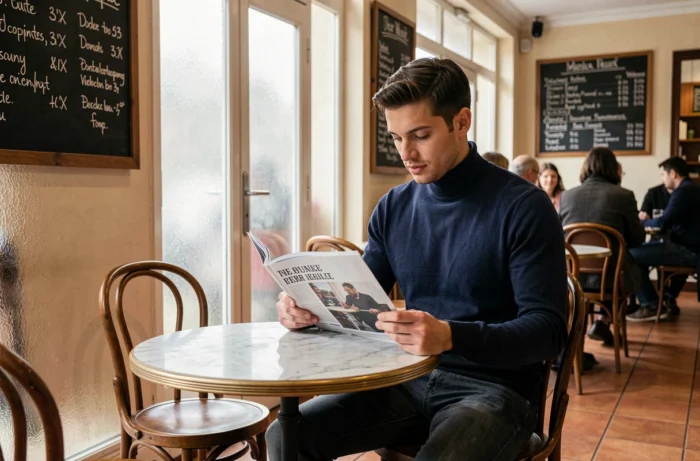
Editorial line of Bart magazine: portraits, journeys, and societal reports
The strength of an online magazine lies in its ability to offer angles that readers won’t find elsewhere. By browsing Bart Magazine’s publications, several recurring themes can be identified.
Personal journeys and private lives decoded
The magazine dedicates in-depth articles to the personal trajectories of public figures. For example, there is a feature on Valérie Mairesse and the relationships that have marked her private life, or a portrait of French female comedians that reflects on their struggles and victories behind the scenes.
These long formats go beyond simple promotional portraits. They contextualize the journeys within their time, with verified biographical elements and a narrative that avoids the typical celebrity tone.
Practical reports and digital guides
Bart Magazine also publishes guides focused on digital and online ecosystems. This blend of culture, society, and practicality gives readers a reason to return regularly. The digital version of the magazine allows for accessible reading from any device, without the constraints of print publication.
Trends in the restaurant and bar industry: what a cultural magazine should cover
A magazine that deals with culture and outings cannot ignore the profound changes in the CHR sector (cafés, hotels, restaurants). Several trends deserve dedicated reports.
- Non-alcoholic options are gaining traction on bar and restaurant menus. This movement goes beyond a trend: it responds to a structural demand from customers, particularly among those under 35.
- B2B event gastronomy is reinventing itself. CHR establishments are developing tailored offerings for businesses, with hybrid formats between dining and entertainment.
- Ergonomics behind the bar is becoming a key topic. Musculoskeletal disorders affect a significant portion of bar staff, and adjustments to reduce physical fatigue are subject to specific subsidy programs.
These topics, when treated with rigor and field testimonies, produce high-value articles. A magazine like Bart has the editorial latitude to intersect these themes with culture, the art of living, and portraits of personalities in the industry.
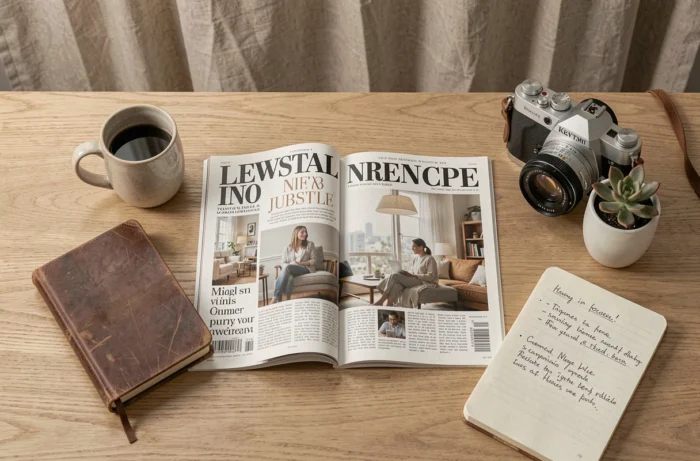
Digital reading and new editions: how Bart Magazine adapts
Online reading has transformed how magazines are consumed. The shift to fully digital is not just a matter of format: it alters the very structure of articles.
A report designed for the web is not divided like a print magazine article. Paragraphs are shorter, subheadings are more frequent, and each new edition incorporates formats suited for mobile scrolling. Bart Magazine publishes its content with this logic, featuring articles that work well on both phones and large screens.
Publication frequency also matters. An online magazine that regularly updates its sections retains its readers better than a static quarterly publication. In-depth reports coexist with shorter news items, creating a varied reading rhythm over visits.
Access and navigation in the Bart universe
Navigation on a magazine site shapes the reading experience. A clear sitemap, well-identified categories, and a functional search allow visitors to find specific articles without wandering. A good online magazine is judged as much by its content as by its architecture.
Feedback on this point varies among readers, but the general trend leans towards clean interfaces where content takes precedence over decoration. Magazines that overload their homepage lose readability for what they gain in apparent density.
Bart magazine, through its reports on personal journeys, analyses of nightlife trends, and digital guides, occupies an editorial niche that blends popular culture with concrete societal issues. The next edition will confirm whether this line holds over time, but the editorial foundations are laid.