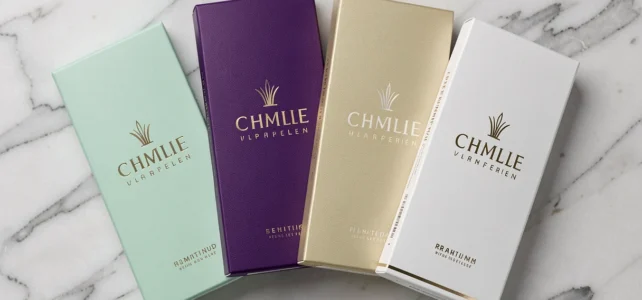
Vogue cigarettes share a recognizable slim format, but from one pack to another, the mouthfeel, draw resistance, and aftertaste change radically. These differences are less about the packaging color and more about specific technical choices: filter type, ventilation rate, cigarette diameter, and blend composition.
Understanding these parameters helps to grasp what truly separates a light Vogue from a stronger Vogue, without falling into the misconception that one variant is “safer” than another.
Slim format and smoke volume: what diameter changes even before the filter
Competitors rarely address the influence of diameter on the smoking experience. Vogue’s slim and superslim formats mechanically reduce the volume of tobacco consumed per puff. With a narrower circumference than a standard cigarette, the amount of smoke inhaled with each draw decreases.
This parameter alters the perception of strength regardless of the pack color. A superslim format provides a lighter sensation, not because the tobacco is different, but because the volume of combustion per puff is physically reduced. Smokers often compensate by inhaling more frequently or intensely, which partially negates the expected smoothness effect.
The differences between Vogue cigarette filters add to this diameter effect, creating unique combinations of sensations for each reference.

Vogue filter micro-perforations: ventilation and smoke dilution
The filter of Vogue cigarettes features rows of micro-perforations arranged in a ring around the cellulose acetate. These holes, often invisible to the naked eye, allow ambient air to mix with the smoke before it reaches the mouth.
The higher the ventilation rate, the more diluted the smoke. The lighter variants (Vogue Lilas, Vogue Blanche) have a greater number of perforations than darker variants like Vogue Bleue. The perceived result: smoke that feels smoother, less harsh, with a muted throat hit.
Why this smoothness does not mean lower risk
Ventilation dilution reduces the concentration of particles in each puff, but toxic gases pass through the cellulose acetate filter without being trapped. Carbon monoxide, volatile organic compounds, and other harmful substances pass freely, regardless of the number of perforations.
The phenomenon of behavioral compensation exacerbates this finding. Faced with lighter smoke, smokers tend to inhale more deeply, block the perforations with their fingers or lips, and smoke more cigarettes. Available data do not allow for concluding that a ventilated variant exposes one to fewer harmful substances than a non-ventilated variant under real-use conditions.
Cellulose acetate and additional tips: what the filter really retains
All Vogue filters use cellulose acetate, a fibrous plastic that traps some of the solid particles present in the smoke. This material primarily retains visible tar, fine ash, and some larger particles.
In contrast, gases constitute the most dangerous fraction of smoke, and the standard filter has virtually no effect on them. Here’s what the acetate filter retains and what it lets through:
- Solid particles (tar, ash): partially retained, more so in dense filter variants
- Toxic gases (carbon monoxide, formaldehyde, acrolein): almost entirely pass through the filter
- Nicotine in gaseous form: poorly filtered, most reaches the lungs
- Aromatic compounds added to the blend: pass through the filter and contribute to the perceived taste
Some smokers add a tar-reducing tip after the original filter. These devices accumulate visible brownish deposits, giving the impression of effective filtration. Their actual role is limited to capturing an additional fraction of particles, with no significant effect on gases.
Vogue pack color and risk perception: a documented psychological lever
Recent literature on consumer perception shows that light shades on a cigarette pack are associated with a product perceived as less harmful. This bias directly applies to the Vogue range, where pastel or white variants evoke lightness and smoothness.
In 2024, France initiated a ban on “glamorous” vocabulary on cigarette packs, specifically targeting brands like Vogue to reduce marketing appeal. This measure follows the neutral pack initiative, which had already removed logos and brand colors from the main face.
The color code operates on two levels:
- Perception of strength: a light pack suggests a smooth taste, a dark pack evokes a strong tobacco
- Perception of risk: consumers tend to believe that a “light” cigarette is less dangerous, while the levels of toxic substances depend on smoking behavior, not color
- Brand loyalty through image: the slim design and pastel shades target an audience sensitive to product aesthetics, creating an attachment that goes beyond taste
Tobacco blend: Virginia versus Burley depending on the variant
The light versions of Vogue incorporate a higher proportion of flue-cured Virginia tobaccos, dried with hot air. This process preserves the natural sugars in the leaf, producing a slightly sweet and smooth smoke.
In contrast, stronger variants like the Bleue incorporate more Burley tobaccos, air-dried. Burley adds body, a subtle bitterness, and a more persistent aftertaste. The blend-filter-ventilation combination explains why two Vogue cigarettes of different colors can seem to belong to two distinct brands.
Thus, the pack color is neither a purely aesthetic gimmick nor a reliable indicator of harm. It reflects a real technical assembly (type of tobacco, ventilation, filter density) while activating perception biases that blur risk assessment. Each Vogue variant offers a different sensory experience, but none reduces exposure to the most dangerous substances in cigarette smoke.